
Tire and Brakes Awareness: Safety Begins at the Ground.
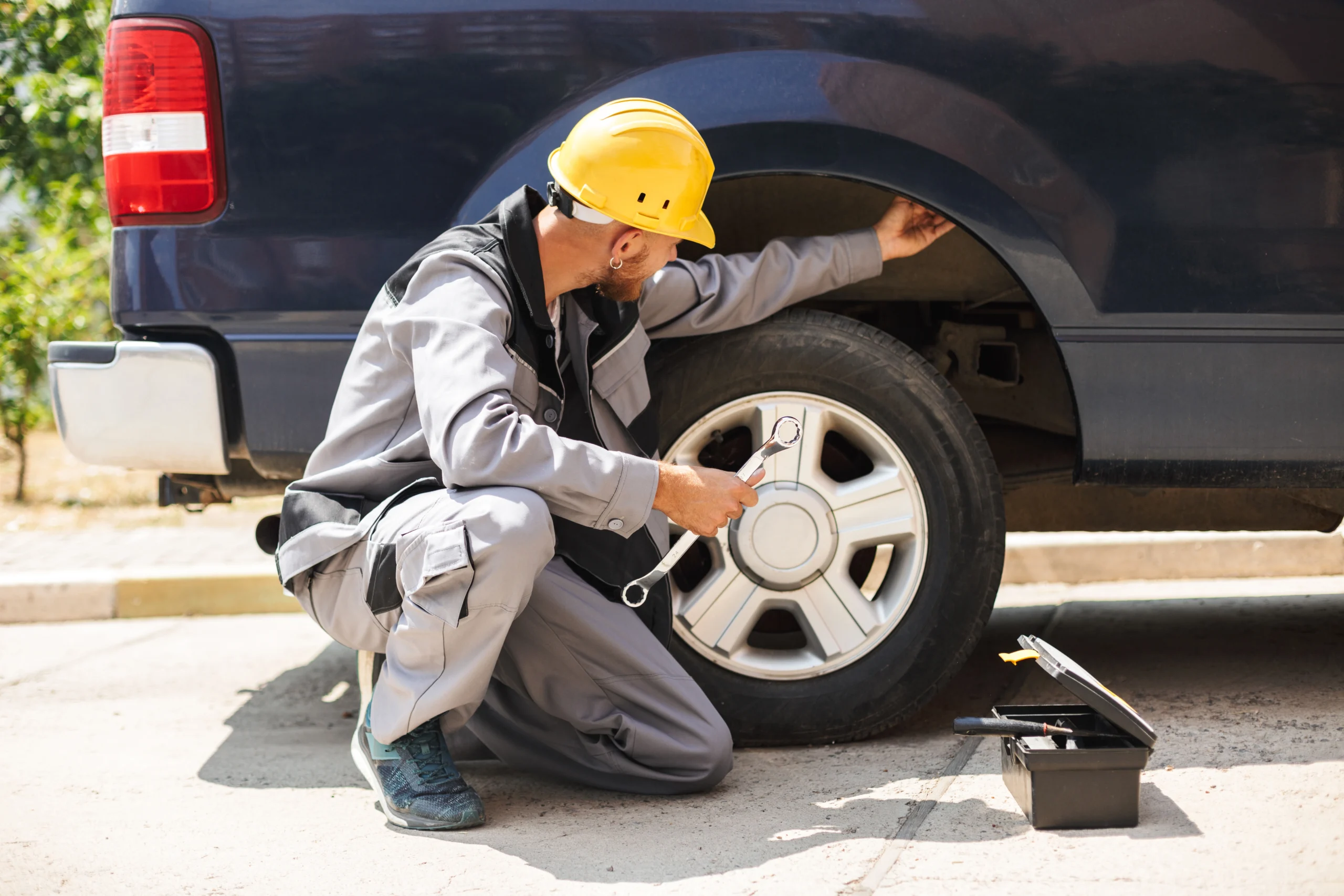
The most significant safety systems of any vehicle are tires and brakes as they directly regulate grip, balance, stopping distance, and stability during the cases of emergency. A lot of individuals consider the engine, mileage and outward appearance of the car yet the reality is that the safety of a car starts at the point of contact with the road. The only point of contact between the vehicle and the surface is tires, and brakes are the system that determines whether the vehicle will be able to stop on time. Maintenance awareness is that no matter how powerful an engine is, it is of no help when tires are worn out or the brakes are weak. Speed does not make a safe vehicle but rather control and stopping power.
Tire awareness starts with the knowledge of tire pressure wherein tire pressure affects nearly everything: tire safety, comfort, handling, tire mileage, and tire life. Having low pressure tires creates more contact and resistance to rolling on the tire causing the engine to exert more force and low fuel efficiency. It also adds heat traps in tires during long journeys that may lead to accelerated wear, sidewall rupture as well as sudden tire bursts. Conversely, tires that are overinflated lower road grip and provide the ride quality as too rough since the tire becomes excessively stiff. Existing tire pressure enhances the steering response and braking capability, which have a direct effect in the safety.
The depth of the treads and the condition of tires are also critical particularly when dealing with rainy roads and unexpected braking cases. A lot of accidents occur when tires fail to grip especially in a rainy season or when roads are dusty. The tires undergoing wear do not clear water formed on the road and this leads to hydroplaning when the tire goes through water instead of working on the road. This minimizes steering and braking is hazardous. Education has made one realize that tires cannot be worn until they are finished as far as their safety is concerned, much before they are worn out. Treads should be checked to make sure they are not cracks and bulges or uneven wear and tiny objects that would cause issues early on. It is no waste to change tires on time it is insurance.
Tire alignment and balancing are not taken seriously since the car is in motion, but it is very important as it helps in saving and also in saving lives. On the same note, unbalanced tires also generate vibration at specific speed that determines the steering comfort and eventually wears out the suspension parts. Maintenance awareness promotes alignment control particularly when hitting potholes, speed breakers or rough roads. Correct alignment maintains the car stable when travelling at high speed and that is when brakes are used in case of emergencies. A safe car implies a safer driving experience.
The seriousness of brake awareness is higher due to the fact that the response time to save life depends on brakes. Brakes consist of brake pads, brake discs (or drums), brake fluid and brake lines all of which should be in smooth operation. Most individuals only repair their brakes when they produce loud sounds yet noise is normally one of the last indicators. Ideally the brakes are supposed to be checked before they make a sound since the worn pads are key to lessening the braking force way before they completely wear off. Consciousness educates the identification of early symptoms: the increasing stopping distance, the softening of the brake pedal, the vibration during braking, the squeaky sound, or pulling of the car during braking. These signs should not be neglected as they may result in dangerous circumstances where a car is unable to stop in time.
Finally, the level of tire and brake awareness must be considered an item non-negotiable during responsible vehicle ownership. Safety cannot be checked just at the service intervals or at the time of a breakdown it needs to be kept in order. Whenever the tires are inflated correctly, balanced and changed in time, the car remains stable and receptive. A well gripping and a well stopping car is a safe car and that the safety always begins at the ground.